Gift and Giving
Gifts for Elderly Parents Who Have Everything
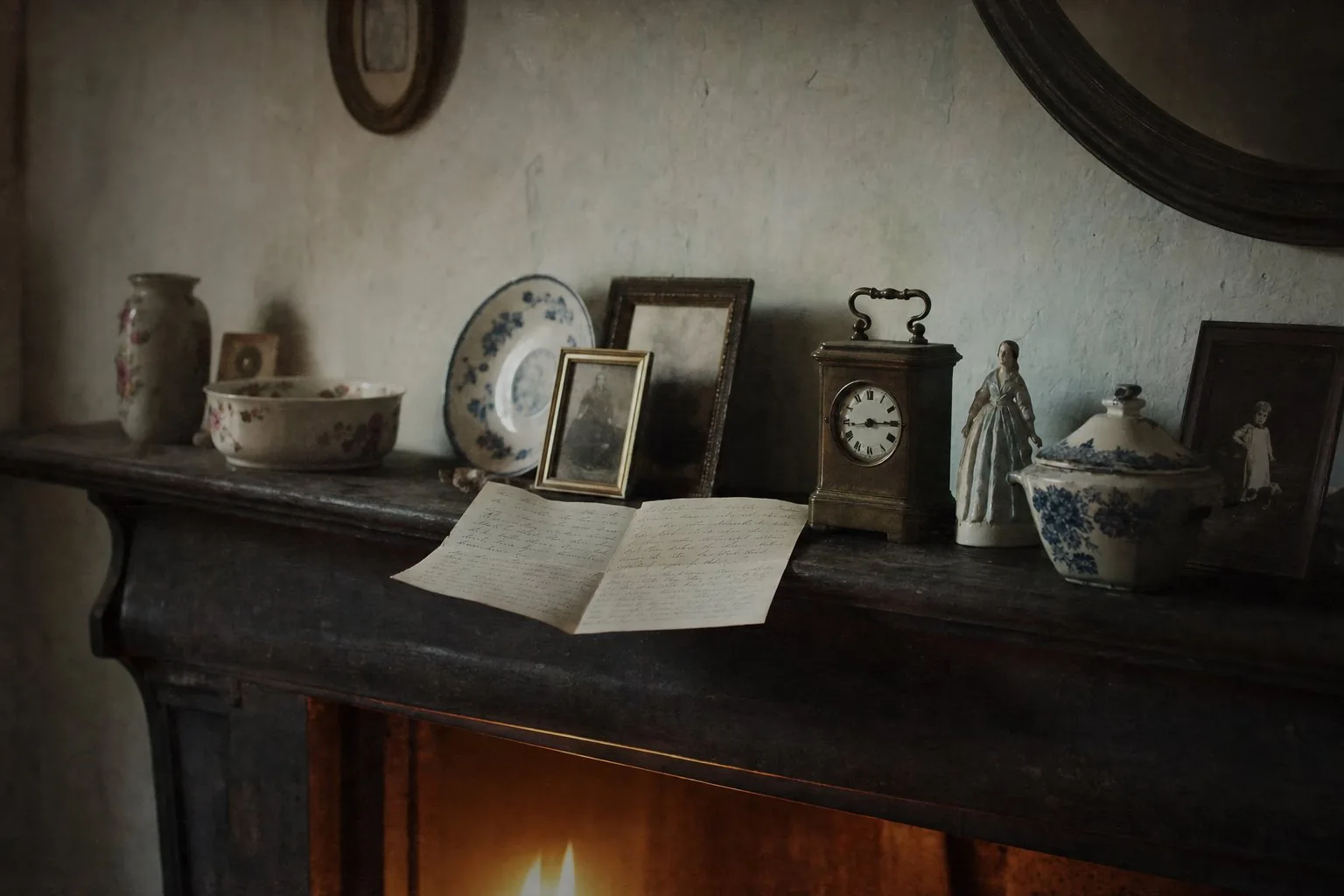
Your parent has started giving things away. The good china went to a cousin last spring. Three bags to the charity shop the month after that. A dresser that had stood in the hall since the wedding went in a small ad and was gone within the week, and your parent seemed lighter for it, not sadder. They tell you, more than once now, that they don’t want you “stuck with all this” when they’re gone, and they mean it kindly, not as a complaint. Now their birthday is coming, and you are standing in a shop holding an object, about to do the one thing they have spent the better part of a year trying to undo.
That is the real story behind gifts for elderly parents who have everything. It was never abundance. It’s direction. A parent at this stage isn’t gathering, they’re shedding, and most of what gets sold as a gift for their age is still built for someone who’s gathering.
Why “has everything” is the wrong diagnosis
At sixty, seventy, eighty, “they have everything” rarely means the house is full of things they love. It means the house is full, full stop, and they have started to notice the weight of that. Somewhere in the last decade the arithmetic flipped. A new object used to feel like an addition. Now it feels like a future decision somebody will have to make about it, and they would rather make that decision themselves, now, while they still can.
This is why a genuinely thoughtful gift can still land badly. The candle is a nice candle. The cardigan is a nice cardigan. Both are also one more thing to eventually place somewhere, or give away, or leave for you to sort later, and your parent has just spent months proving to themselves that they can stay ahead of that pile rather than fall behind it. You are not competing with their taste. You are competing with their project.
Ask directly what they would like and you will likely hear the same answer twice. Nothing, love. I have plenty. It sounds like modesty. It is closer to a policy.
What the screen-free and experience-gift lists get right
Search for a gift idea for a parent who has everything and you land on the same two categories again and again. Experiences: a meal out, a concert, a weekend away, tickets to something. And screen-free objects: a journal, a jigsaw, a board game, a box that turns up with something new inside it on a schedule.
Both categories are popular for the same honest reason. They are dodging the object problem. An experience leaves nothing behind to store. A screen-free item at least promises to be used rather than propped on a shelf and looked at. The instinct behind every one of these lists is correct: give something that isn’t simply more stuff.
Where the lists go quiet is on the part that actually decides whether an idea works for a parent in their seventies or eighties who is downsizing rather than collecting. Not every entry on that list clears the bar just because it avoids being a candle.
The part those lists leave out
An experience asks something of them. It asks for a date to be booked, transport arranged, a body able for a full day out, an appetite for being somewhere new among people they don’t know. For a parent still driving themselves to the shops twice a week, that can be a genuine treat. For a parent whose knees, or their nerve for that sort of thing, have gone quieter, a voucher for an experience is a kind thought that expires, unused, in a drawer, and now there’s a small guilt sitting next to it too.
A screen-free object solves the screen problem and stops there. A blank journal hands them the same task as the direct question “tell me about your life”, the one that goes nowhere because it is too big and too open for anyone to answer cold. A jigsaw gets finished, or it doesn’t, and either way it eventually needs a home. A box of soap, or tea, or trinkets that turns up on a schedule solves the “arrives more than once” problem cleanly, and then quietly rebuilds the exact clutter it was bought to avoid, one parcel at a time.
None of this makes those ideas wrong. It makes them half right. They solved the object problem and stopped checking.
The actual test, for someone who is downsizing
Here is the fuller test, and none of it has much to do with price. A cheap paperback can pass every line below. A lavish spa weekend can fail all five.
Does it ask them to go anywhere, or be well enough on a particular day. If yes, it’s a lovely idea that depends on circumstances neither of you controls.
Does it ask them to create something out of nothing, a memoir, a scrapbook, a list of their own best stories. If yes, it asks the shy and the undemonstrative to perform on demand, and the parents least likely to volunteer a life story unprompted are usually the ones who quietly set the notebook aside.
Does it add up to more objects over time, rather than fewer. If yes, it is solving the “comes back again” problem by breaking the “not more stuff” problem right back open.
Does it need a screen, an app, a password, a grandchild summoned to make it work. If yes, it will sit unopened however good the idea inside it is.
And the one that matters most. Does it give them something to do that they already love doing, with nothing new to learn and nothing to perform. Reading. Remembering. Ringing you afterwards to talk about what they just read.
Almost nothing on a typical gift list clears all five at once.
What we’d actually put on the list
Here is where we say plainly what we are, so you can weigh this the right amount. We are Yours, From Ireland, and we make letters. One story, about one Irish family, unfolding in the letters themselves rather than described from outside them.
Patrick O’Donnell is the second son of a family in Ballycastle, in north Mayo, which in practice means no land is coming to him, since the land goes to the eldest. He sails for Boston in the autumn of 1847 and tells his sweetheart, Mary Cafferky, that he will send for her the moment he has the price of a ticket. Her father has other plans for her, a match with a man up the road who holds good ground. The youngest brother takes the cheaper crossing, to England, and doesn’t come home either. Posted from Ireland, the letters carry that family and the decade around them: Black ‘47, the cholera years in the Boston tenements, the era of No Irish Need Apply, the Panic of 1857. It is fiction, and we say so without flinching. It is also researched properly, and it treats the year it opens in with the gravity that year is owed.
If the parent you’re buying for has any pull toward Ireland at all, an old address half remembered, a grandparent’s accent they still do at Christmas, this is built for exactly that pull. If they don’t, it isn’t the gift, and no honest list should pretend one thing fits everyone in a category this wide.
What it shares with the rest of this test is the shape. Reading a letter is not a screen, not an app, not a booking. It asks nothing beyond the thing they already do most evenings anyway, which is sit somewhere quiet with something in their hands. And because it is a correspondence rather than an object, it doesn’t accumulate into a shelf that eventually needs sorting. It arrives, gets read, gets rung about, and the next one is a story to look forward to rather than a thing already taking up room.
That is the shape worth holding any gift up against, ours included. Not “do they already have one of these.” Almost everything fails that test for a parent their age. The better question is whether the gift asks anything of them at all, beyond the pleasure of opening it. That test costs nothing to run, and it is worth running before you wrap anything.