Emigration History
Irish Neutrality and "the Emergency" in World War Two
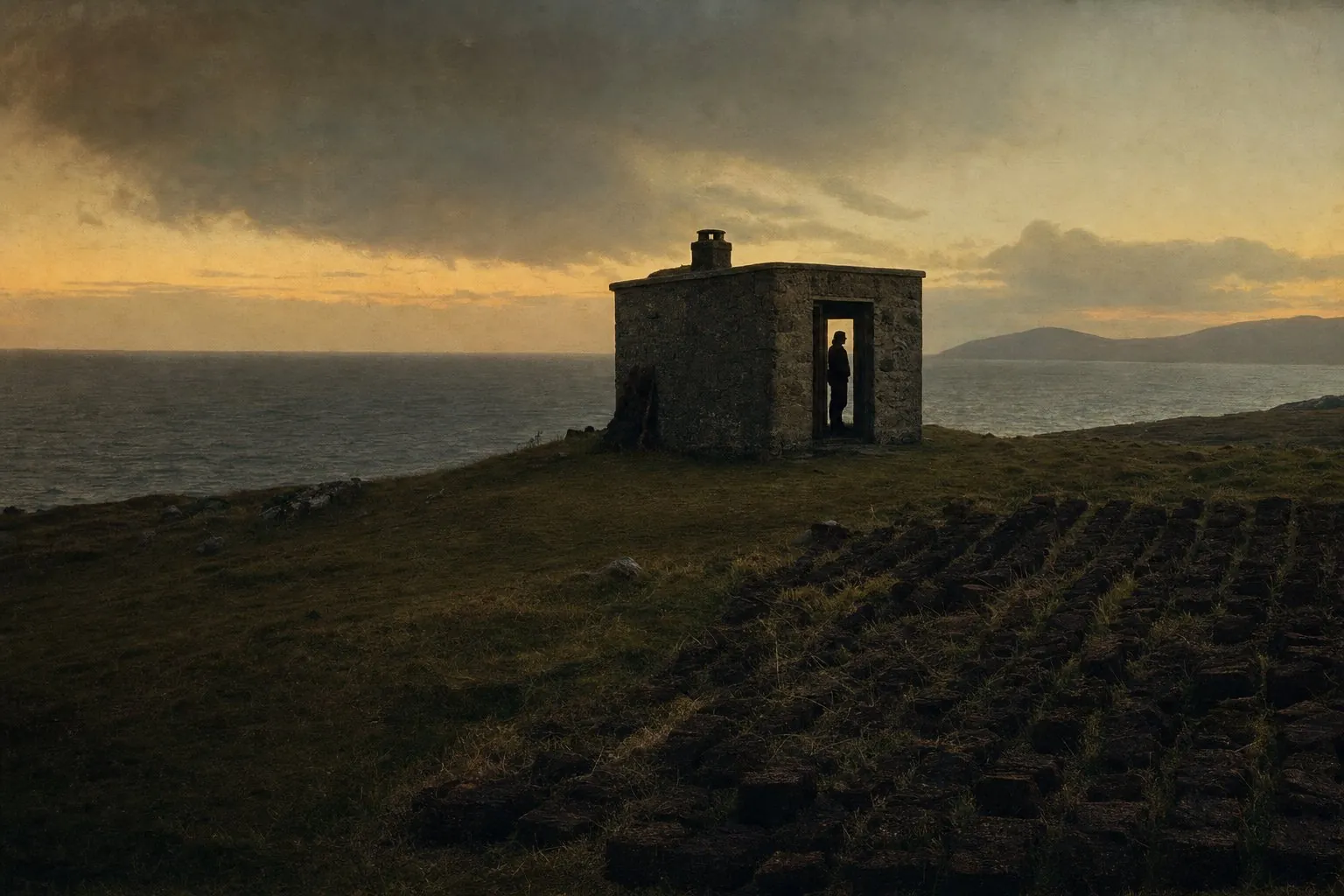
When war broke out in Europe in September 1939, the government of Éamon de Valera declared that Ireland would take no part in it. Irish neutrality held from the first week of the Second World War to the last, one of the few neutralities in Europe that did. At home, the state took sweeping emergency powers, and the phrase gave the era its name: in Ireland, the war years were never called the war. They were the Emergency. For families with sons and daughters in America and Britain, though, no declaration could keep the fighting at arm’s length, and that contradiction, a neutral country whose people were everywhere in the war, is the real story of these years.
Why Irish neutrality held in the Second World War
The decision made sense from where Ireland stood in 1939. The state was seventeen years old. It had been born out of a war of independence and a civil war that were within easy living memory, and partition was an open wound; asking the country to fight alongside Britain a generation after the Black and Tans was politics no government could survive. Neutrality was also the clearest way a small, new state could demonstrate that its independence was real.
One practical thing made it possible at all. Under the 1921 Treaty, Britain had kept naval bases at three Irish harbours, the so-called Treaty ports at Cobh, Berehaven and Lough Swilly. In 1938, as part of the agreements that ended the six-year Economic War over tariffs, Britain handed them back. Had British garrisons still sat in Irish ports in September 1939, neutrality would scarcely have been workable. As it was, de Valera could hold the line, and did, under real pressure, for six years.
Neutral did not mean indifferent. In practice the neutrality leaned: Irish and British authorities quietly shared naval and marine intelligence, and the state’s sympathies were never seriously in doubt. But the official line never moved, and holding it for six years, pressed from more than one direction, took considerably more nerve than the word neutral suggests.
What the Emergency meant at home
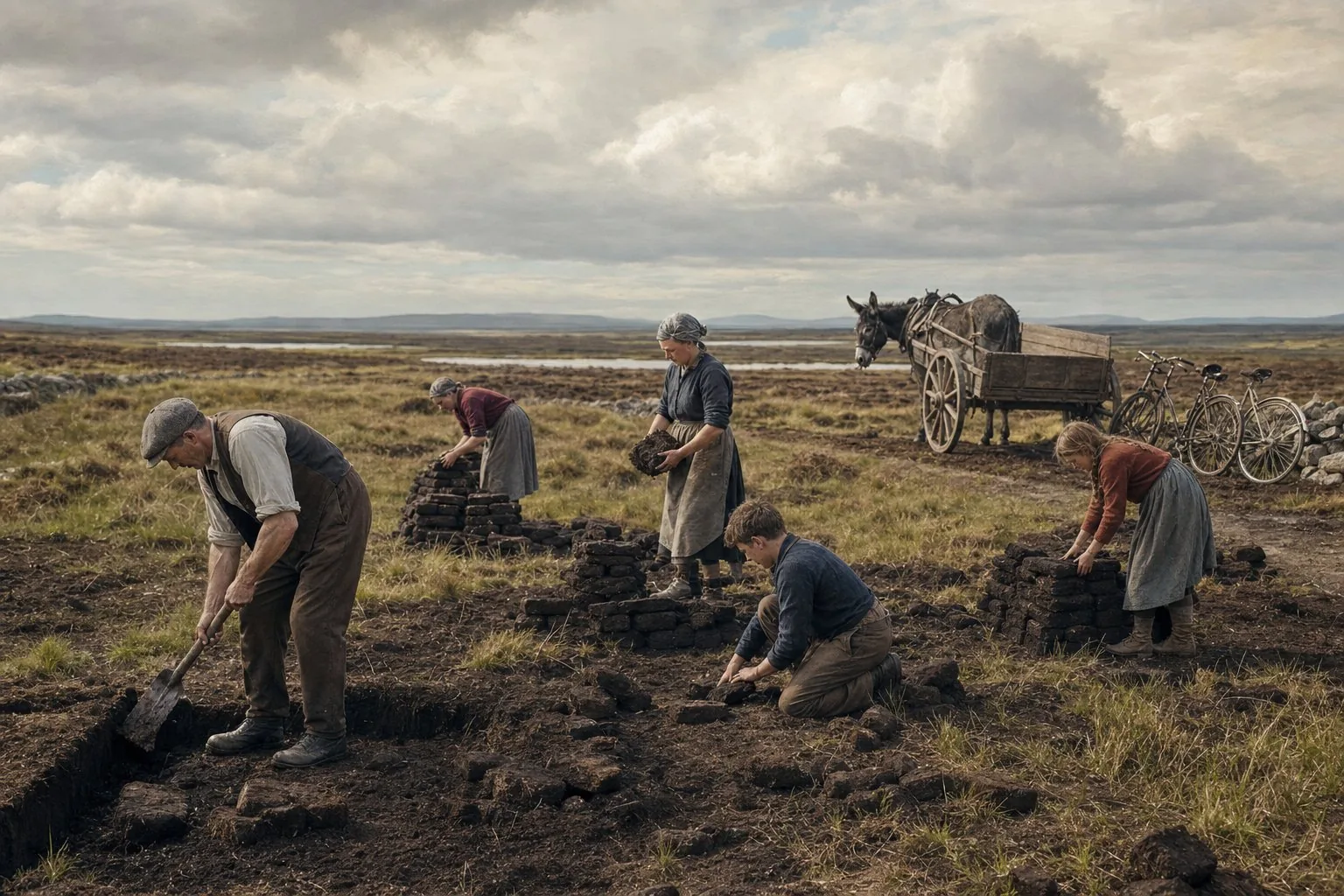
For ordinary households, the Emergency was less about diplomacy than about making do. Rationing bit into daily life. Families cut turf for fuel, and tillage orders told farmers what they must plant, reshaping the farming year by decree. The 1930s had already been lean, with the Economic War squeezing small farms with tariffs from 1932 to 1938, and the new Constitution of December 1937 had renamed the state Éire. So the country that faced the Emergency was poor, self-contained and used to hardship, which is partly why it bore the shortages as steadily as it did.
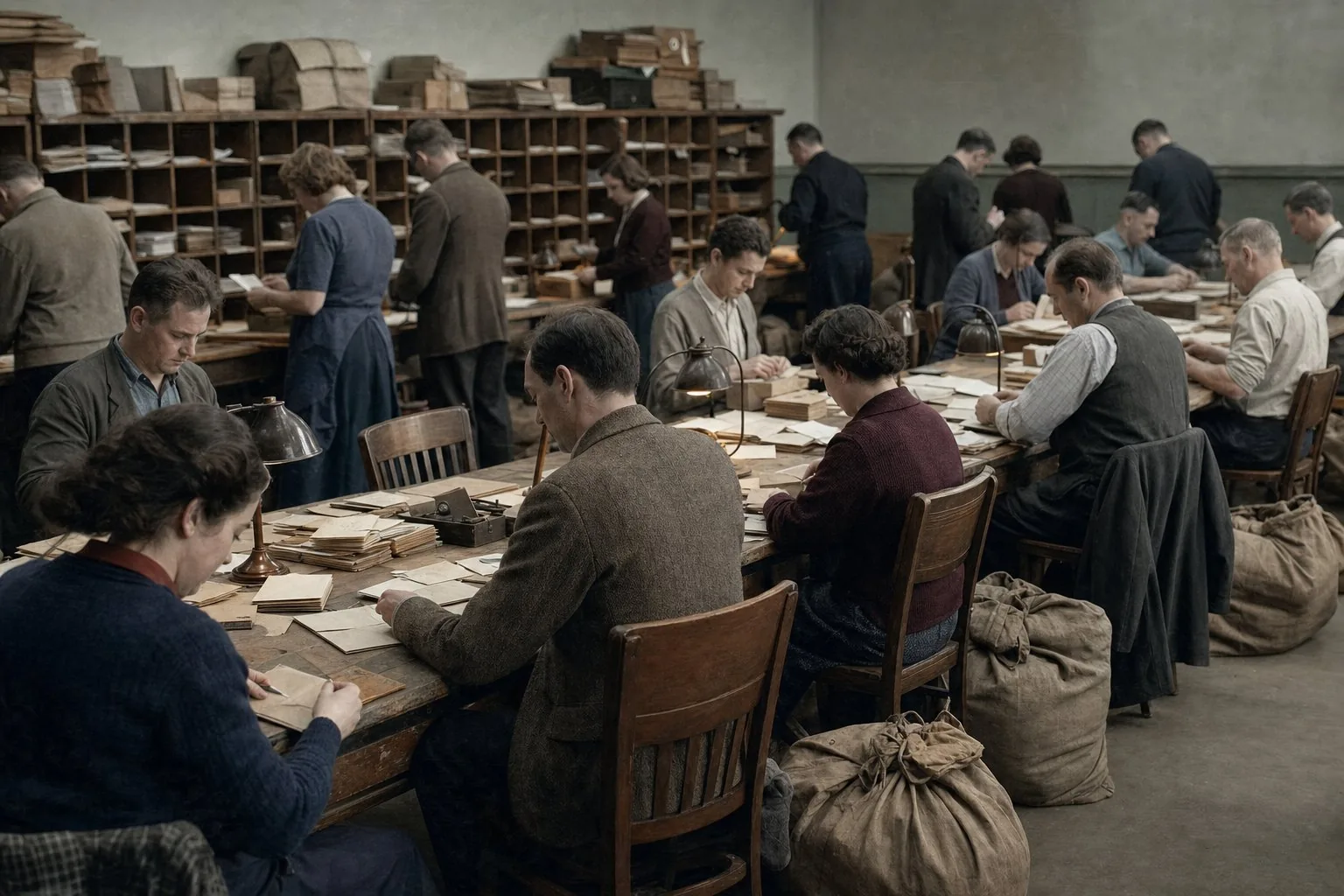
The Emergency also reached into the post itself. Under the Emergency Powers Act of 1939, a censorship regime overseen by Frank Aiken, the minister responsible for coordinating defensive measures, covered the newspapers, the radio and the mails. Letters into and out of the country were subject to censorship, some opened and read, with lines blacked out in censor’s ink, and the system stayed in place until May 1945. Nothing suspect needed to be in a letter for it to arrive late and opened. That was simply the Emergency.
Even so, the post moved, and it mattered more than ever. With sons scattered across Britain and America, the envelope from home was often the only steady thread through the whole decade, and families wrote on, censor or no censor.
1941: the war reaches the island anyway
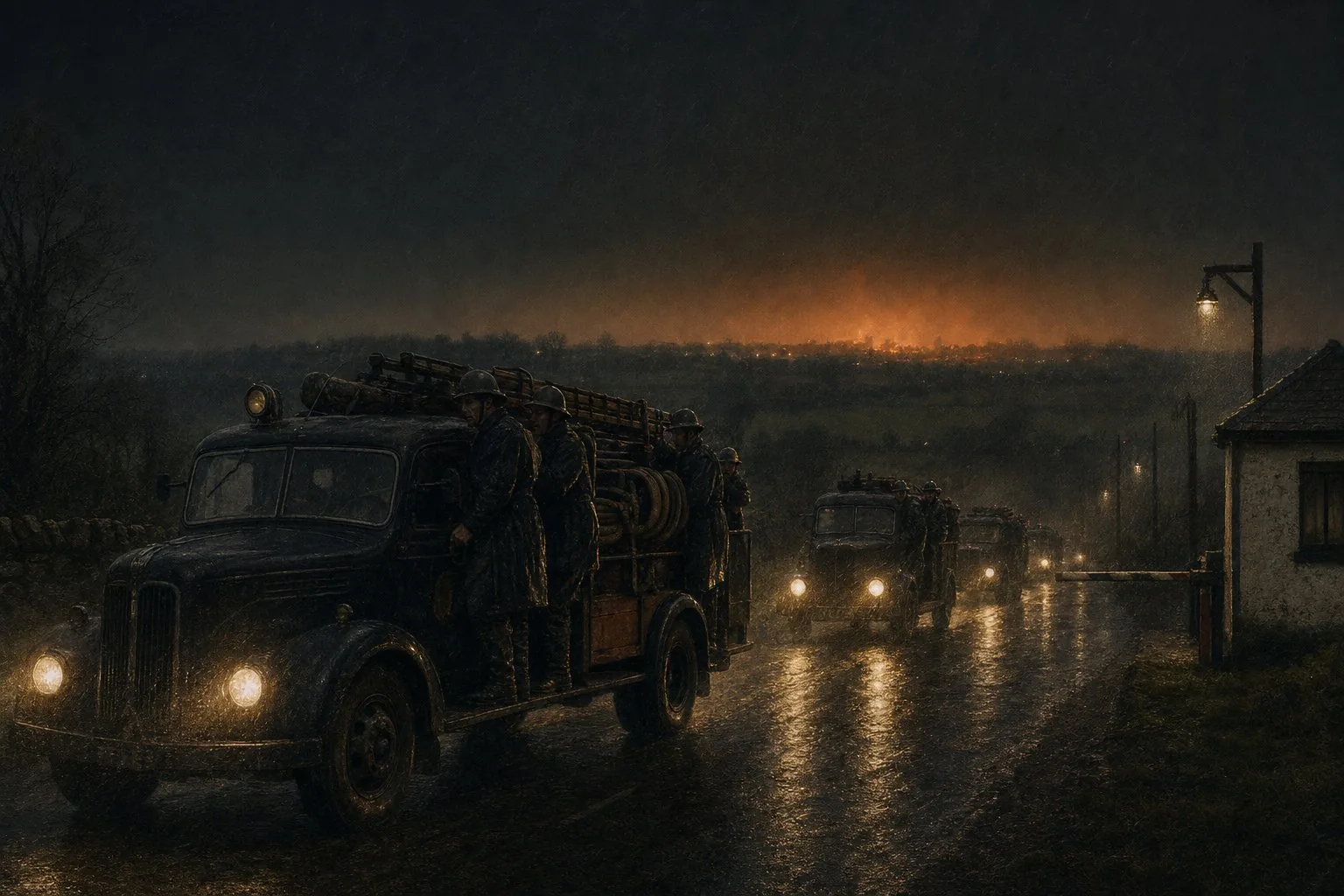
Neutrality did not spare the island itself, and this part of the story asks for plain telling. In April and May 1941 the Luftwaffe bombed Belfast in a series of raids that killed around 1,100 people, close to a thousand of them in the single worst night, and left tens of thousands homeless. Belfast was part of the United Kingdom and at war; Dublin was neutral. Yet de Valera sent fire brigades and rescue crews north across the border to help, one of the Emergency’s starkest moments of plain humanity across a political line.
Then, on 31 May 1941, German bombs fell on Dublin itself. The North Strand bombing killed 28 people in a neutral capital and damaged or destroyed some 300 houses. Whatever the cause, navigational error or otherwise, the craters were real, and the state buried its dead knowing that neutrality was a policy, not a shield.
The sons who went anyway
Here is the fact that complicates every simple account of these years: an estimated 70,000 citizens of neutral Ireland volunteered to serve in the British forces during the war. They went for wages, for conviction, for adventure, for all the old reasons, and their letters home crossed to a country officially outside the fight their families were in.
The diaspora’s sons went too. When Pearl Harbor brought the United States into the war in December 1941, the grandsons and great-grandsons of Famine and post-Famine emigrants put on American uniforms in their tens of thousands. Irish emigrants had worn American uniforms before, in the Irish Brigade of the Civil War in the 1860s, and the pattern repeated: a family neutral at home, and at war in every other place it had people. From D-Day in June 1944 to the end in Europe in May 1945, Irish parishes followed the war through the fortunes of men who were, officially, none of Ireland’s business.
No household needed the difference between a state’s policy and a family’s reality explained. The state was neutral. The kitchen table, with its photographs and its bundle of letters, rarely was.
What the smaller years held
Between those poles sit the ordinary ones, and they are the years that survive in family paper rather than in policy: rationing biting in the summer of 1940, turf and tillage remaking the farm, D-Day followed from the fireside in June 1944, and the strange mixture of relief and reckoning in May 1945 when the war in Europe ended and the counting began.
A neutral state, and a kitchen table that was not. That distance is the thing letters recorded and communiques could not.