Letters and the Craft
Irish letter subscription comparison: what actually differs
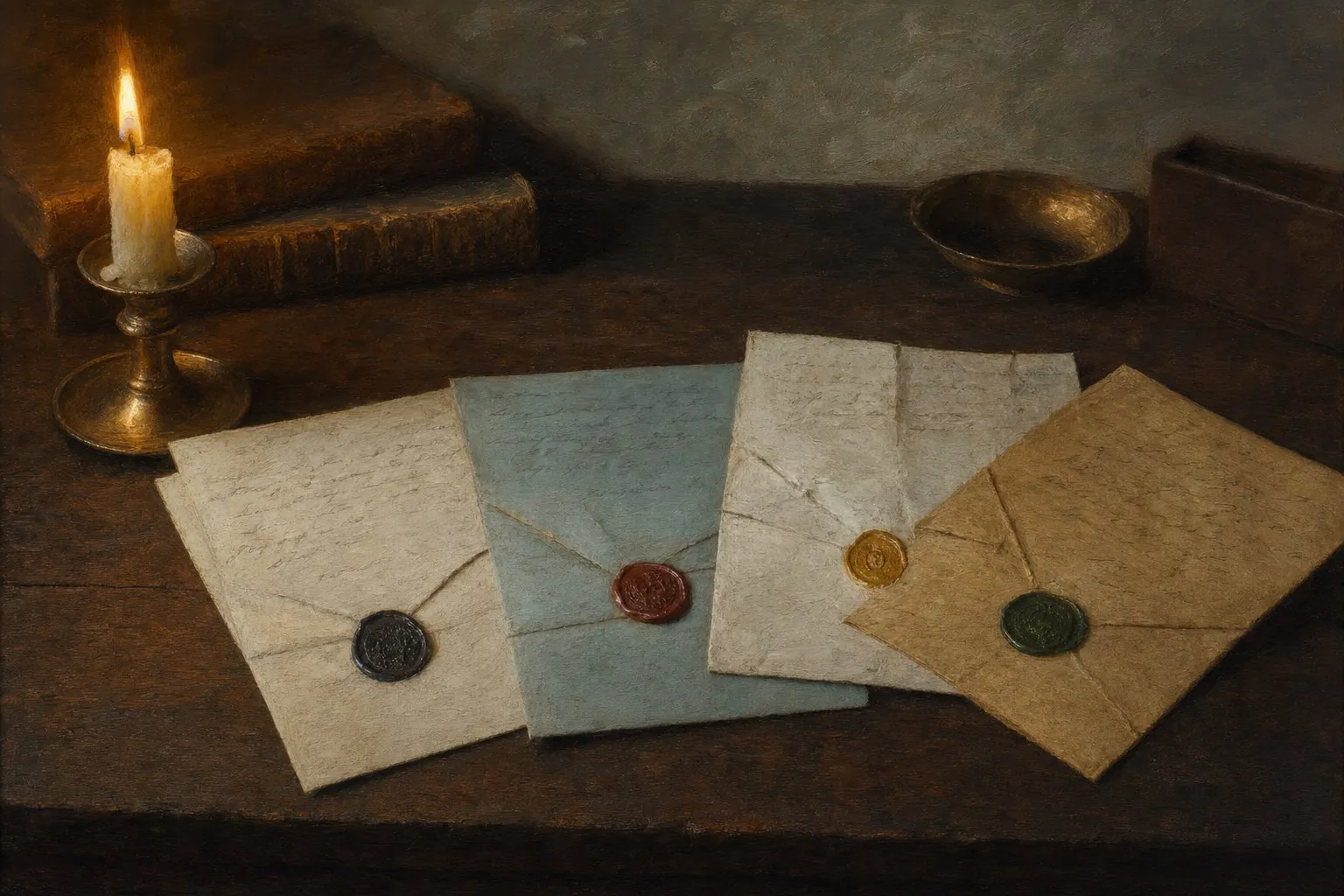
An Irish letter subscription comparison worth trusting has to admit this first: the two biggest, best-reviewed letter subscriptions in this category are American, they post from America, and they are good at what they do. Only a small number of services post from Ireland at all. Which one suits you depends on whether you want documented history from many hands or one continuous story, and how much the postmark itself matters to the person opening it.
For a plain grounding in the format before the comparison, what a letter subscription actually is covers the basics in a few minutes.
What an Irish letter subscription comparison actually covers
Search for this and you will mostly find two kinds of American service, plus a scattering of Irish options that turn out to be digital newsletters rather than anything that arrives on paper. Worth separating the two properly before deciding which matters to you.
The archive services: real letters, many authors
Letterjoy and History By Mail both post reproductions of documents that were actually written. Letterjoy’s current packages run from a two-month starter bundle of eight-plus letters for $49, up to a one-year bundle of 52-plus weekly letters for just under $250, drawn from correspondence it dates broadly across 1776 to 1960. Each letter arrives with what the company calls “the Postscript,” a short article on the writer and the events behind the letter. History By Mail runs a simpler monthly model, replica historical documents from $8.99 a month, with themes rotating every four letters and the first document mailed roughly a week after ordering.
Both companies work from real archives, which is their strength. You are holding a copy of something Lincoln, a soldier, or an inventor actually put to paper, at a price that undercuts anything with more handwork behind it.
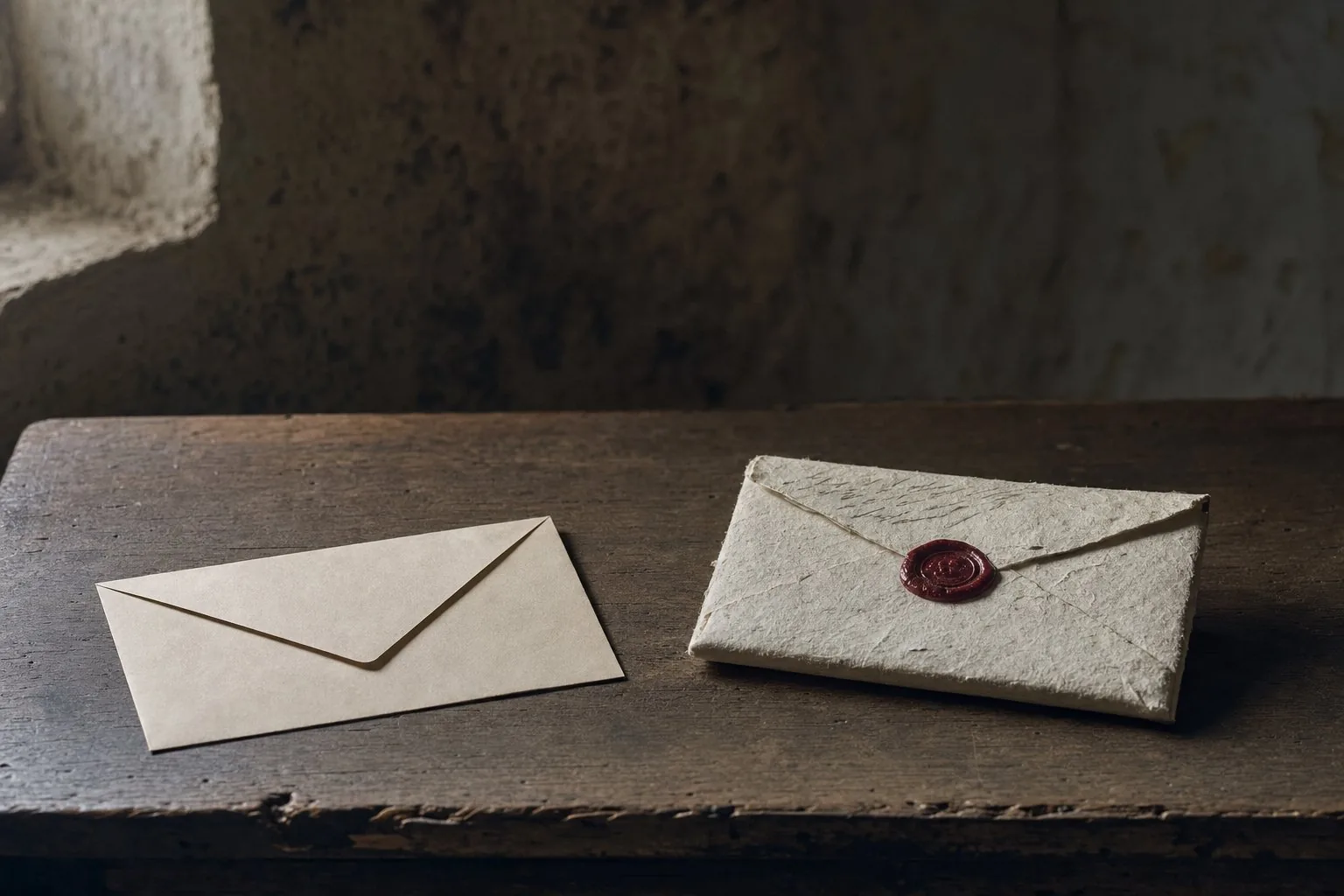
The story services: an invented correspondence
A second category writes fiction instead of reproducing fact. The Flower Letters, a Utah company founded by Michael and Hannie Clark in August 2020, mails a twelve-month story in instalments, across several collections spanning a Second World War romance, a Regency-era plot, and a Wild West adventure among others. By October 2024 the company had grown from an initial 38 subscribers to more than 31,000, and had mailed over 1.8 million letters since launch, according to its own account given to USPS Employee News. Dear Holmes takes a different fictional angle, mailing a monthly Sherlock Holmes mystery produced with MX Publishing in collaboration with Letterjoy, with real stamps and a private podcast add-on for subscribers who want the case narrated aloud.
What every one of these four services shares is a domestic American return address. Posting within the United States keeps them fast and comparatively cheap, and none of them are pretending otherwise.
What changes when a letter is actually posted from Ireland
This is the one structural difference none of the American services can close, because none of them are in Ireland. A letter that leaves Ireland for an American mailbox is retracing a specific, well-documented route. Transatlantic postage between Britain and Ireland on one side and the United States on the other was regulated under a series of bilateral agreements from the late 1840s, with an 1845 US act setting packet postage at 24 cents per half ounce, and Britain moving toward subsidised steamship mail service from 1838 onward. It was never a quick or a cheap journey, and it still is not, which is exactly why so few subscription services bother to post from Ireland at all: it costs more and moves slower than a domestic American stamp, every single time.
It is also worth being precise about what “posted from Ireland” does not mean. Ireland used British postage stamps throughout the nineteenth century. The country did not print its own stamps until the Provisional Government began overprinting British issues on 17 February 1922, with the first wholly Irish-designed stamp following on 6 December 1922. Any letter subscription claiming “Irish stamps” on correspondence dated before that year is describing something that did not exist. The honest claim, and the only one worth making, is that the letter itself was posted from Ireland and carries a genuine Irish postmark.
Where the American services win
A fair comparison admits the trade-offs rather than talking around them. The archive and story services are cheaper per letter, they arrive faster because they post domestically, and they have scale behind them: Letterjoy’s range runs to more than 50 years of documented American history, and The Flower Letters has mailed well over a million letters to a base in the tens of thousands. If the widest possible sweep of real, verifiable history is what you want, or the lowest price, or a service with a longer public track record, the American options are strong and you should not feel talked out of them.
What none of them offer is a single continuous piece of fiction, sourced against real Irish archives and posted from Ireland itself. That narrower thing is what a service like ours is built around, and it is worth exactly as much as that narrowness matters to the person receiving it, no more.
What historians cannot know
Most of what grounds this kind of comparison, and this kind of story, comes from letters that survived by accident rather than by design. The University of Galway’s Imirce archive, built from roughly 7,000 letters that the historian Kerby Miller collected over five decades, is large precisely because Miller went looking for family papers that had simply never been thrown out. The National Archives of Ireland’s Distress Papers, correspondence pleading for Famine relief received from March 1846, survive because they passed through a government office that kept its files. Letters from poorer, less literate households, the ones least likely to have been kept in a drawer for 170 years, are the ones historians are least able to read today. Any account of ordinary emigrant correspondence, ours included, is built on the letters that happened to last, not a full record of everyone who wrote one.
Choosing between them
If the person you are buying for wants breadth, real names, and the lowest possible price per letter, the archive services do that better than anything built around one story ever could. If they want a long-running fictional world with an established audience behind it, the story services have the track record to prove it. If what matters most is that the envelope was actually posted from Ireland, carries a real Irish postmark, and holds one continuous story rather than a rotating cast, that is the narrower gap this fills, and it is the only gap it claims to fill.
You can read how letter-subscription pricing actually breaks down across the whole category, or judge the format for yourself against the opening letters, free to read in full before you decide anything.
Sources and further reading
- National Archives of Ireland, “Famine Records, Distress Papers and the Relief Commission,” research guide, nationalarchives.ie.
- University of Galway, Imirce digital archive of Irish emigrant letters, built from the Kerby Miller collection, as reported by Who Do You Think You Are Magazine.
- USPS Employee News, “This business is built on tales by mail,” 7 October 2024.
- Letterjoy, current bundle pricing and package structure, letterjoy.co.
- History By Mail, monthly subscription terms and delivery schedule, historybymail.com.
- “Postage stamps of Ireland,” overview of the 1922 transition from British to Irish issues, cross-checked against the GB Overprints Society’s Ireland postal history notes.