THE JOURNAL · IRISH BOSTON
The Irish in Boston, 1847-1857
In 1847 Boston was a Yankee, Protestant port of a little over 100,000 people, and that year tens of thousands of Irish arrived through it. Some came directly on emigrant ships, many by way of Liverpool or the Canadian ports. Within a decade the Irish were a large share of the city, and Boston was never the same place again.
Most arrived with nothing. Men looked for day work on the docks, the railways and the building sites; women went into domestic service in Yankee houses, the "Irish Bridgets" whose wages paid the passages of the next ones out. Families crowded into Fort Hill, the North End and the waterfront, into tenements that cholera tore through in 1849.
The welcome was mixed at best. Anti-Catholic and anti-Irish feeling peaked in the 1850s, when the Know-Nothing party swept the Massachusetts government in 1854. The Irish built their own institutions in reply: parishes, mutual aid societies, the Boston Pilot newspaper and its "Missing Friends" column, where families searched for each other in print. The Panic of 1857 hit them as hard as anyone.
The entries below follow that decade on the Boston side of the water, the side Patrick O'Donnell writes from.
In this subject
Boston docks Irish labourers: hiring on the waterfront
How Irish labourers found daily work on Boston's docks in the 1850s: hiring, day rates, and a trade shaped by ice and the shipping season.
Catholic parishes and mutual aid: how Boston's Irish survived
Irish Catholic parishes and mutual aid societies carried Boston's famine immigrants through hunger, disease, and Know Nothing hostility, 1847 to 1857.
Cholera in Boston's Irish tenements, 1849
In summer 1849, cholera killed more than 500 Irish immigrants in Boston's Fort Hill tenements, the outbreak that forced the city to inspect its slums.
How Famine migration changed Boston
How Famine migration changed Boston: population figures, Deer Island, the 1854 Know-Nothing backlash, and the labour market arrivals entered, footnoted.
How news travelled from America to Ireland: Boston to Mayo
How news travelled from America to Ireland in the 1850s: a Boston paper, a provincial press and a chain of readers that carried word into Mayo.
Irish immigrants arriving Boston 1847
Irish immigrants arriving Boston 1847 met a hastily built quarantine hospital on Deer Island, port fees, sworn passenger lists, and a wary city.
The Know-Nothing party and Irish Catholics in Massachusetts
How the Know-Nothing party targeted Irish Catholics in 1850s Massachusetts, from convent raids to deportation orders and a two-year voting delay.
No Irish need apply Boston: what the record shows
No Irish need apply Boston: what the 1850 census and the contested newspaper advertisements reveal about Irish labour and prejudice.
The Panic of 1857 and Irish workers in Boston
How the Panic of 1857 hit Boston's Irish day labourers and domestic servants first, and what a New York immigrant bank's ledgers reveal.
Where Irish immigrants lived in Boston: Fort Hill and the North End
Where Irish immigrants lived in Boston, 1847-1857: the tenements of Fort Hill, the North End's crowded courts, and the waterfront blocks of Broad Street.
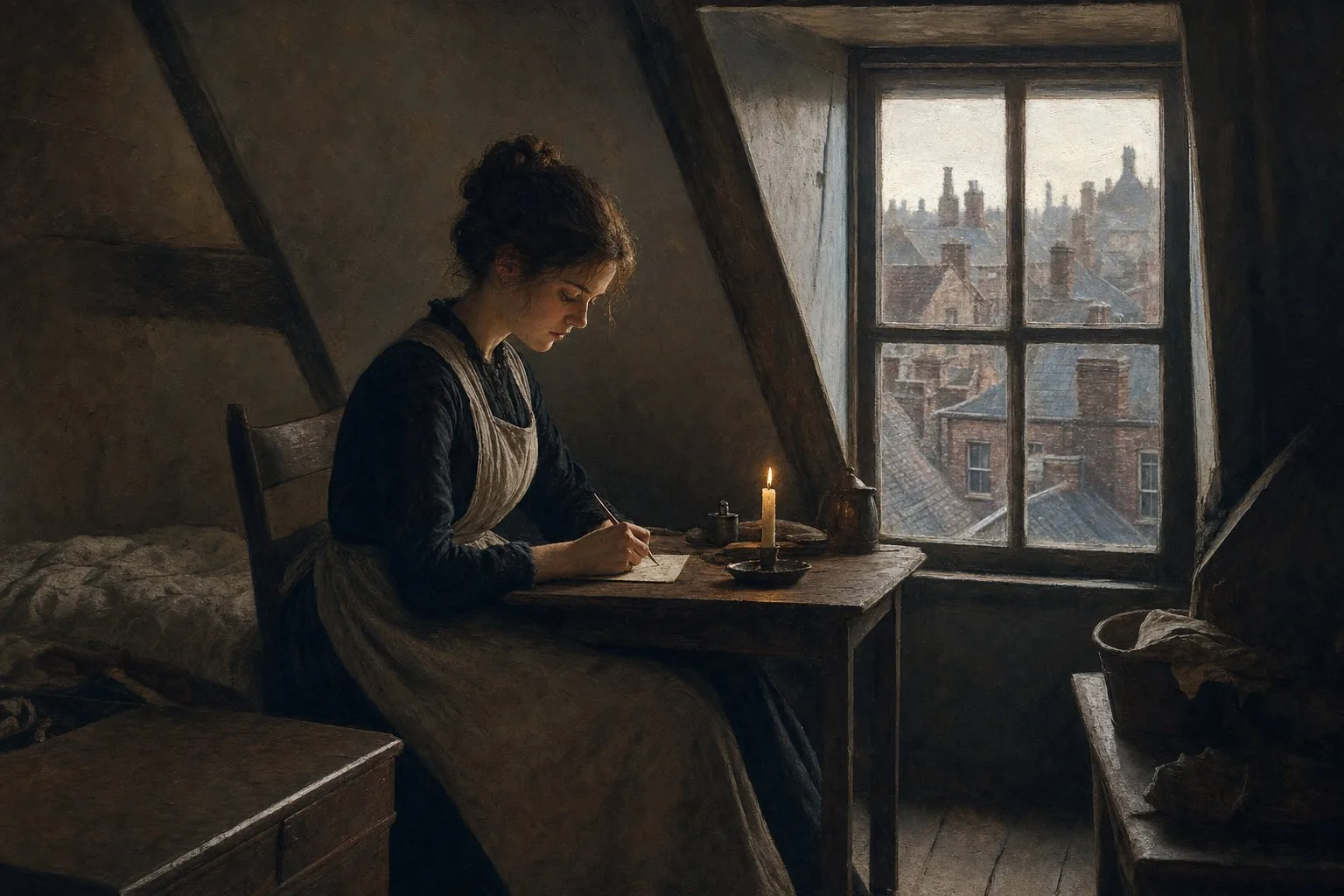
The Irish Bridget: The Women Who Built Irish America
Irish domestic servants emigrated alone in numbers no other group matched. Their wages, not their status, built Irish America.
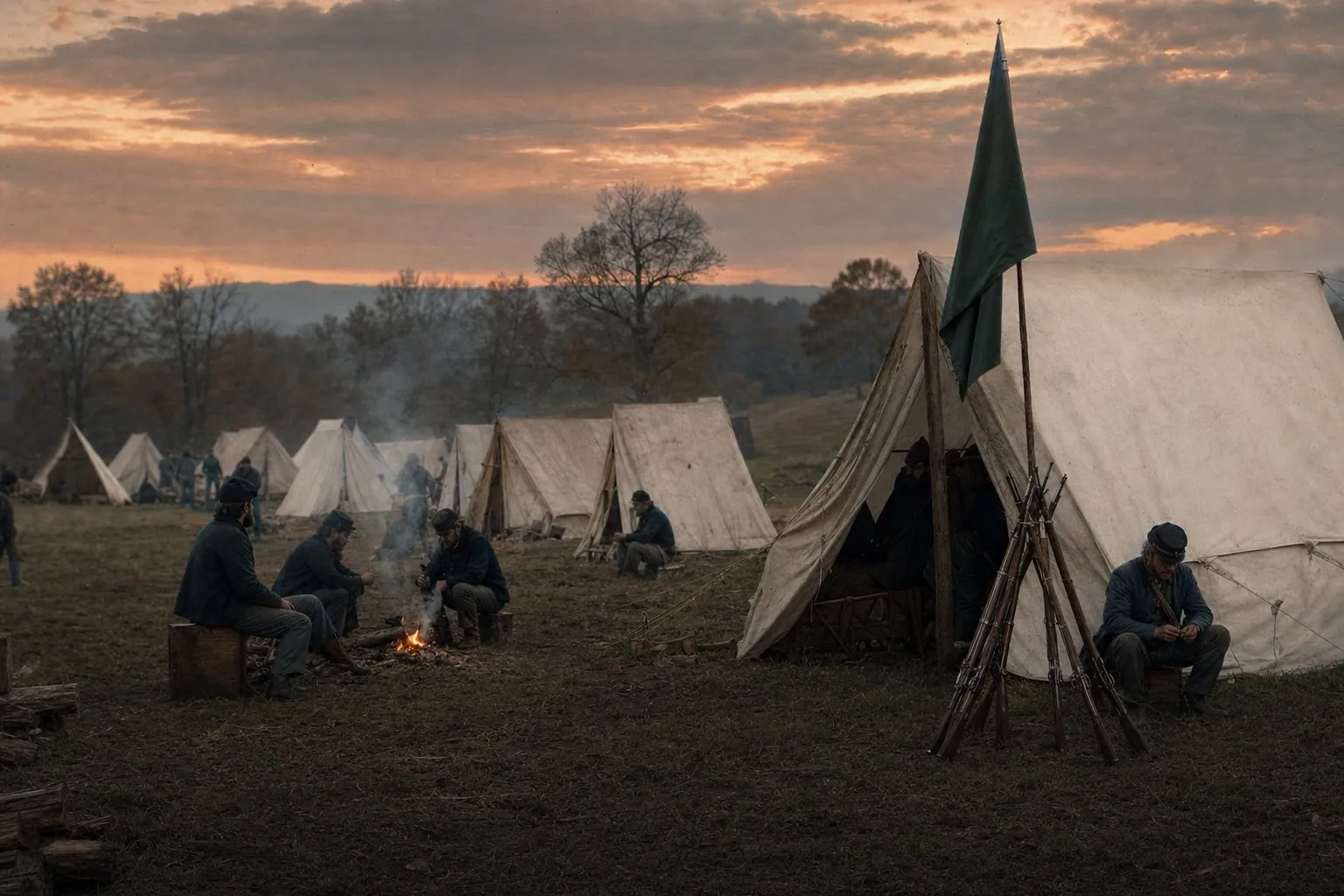
The Irish Brigade: Emigrants in the American Civil War
Why tens of thousands of Irish emigrants fought for the Union, and how the war reached families back home in the west of Ireland.
Begin the story
$24.95 a month, or $249 once and keep $50. Your first envelope is posted from Ireland within five working days of your order.
Choose your plan Give it as a gift
One complete story, beginning to end. 30 day money back guarantee.